
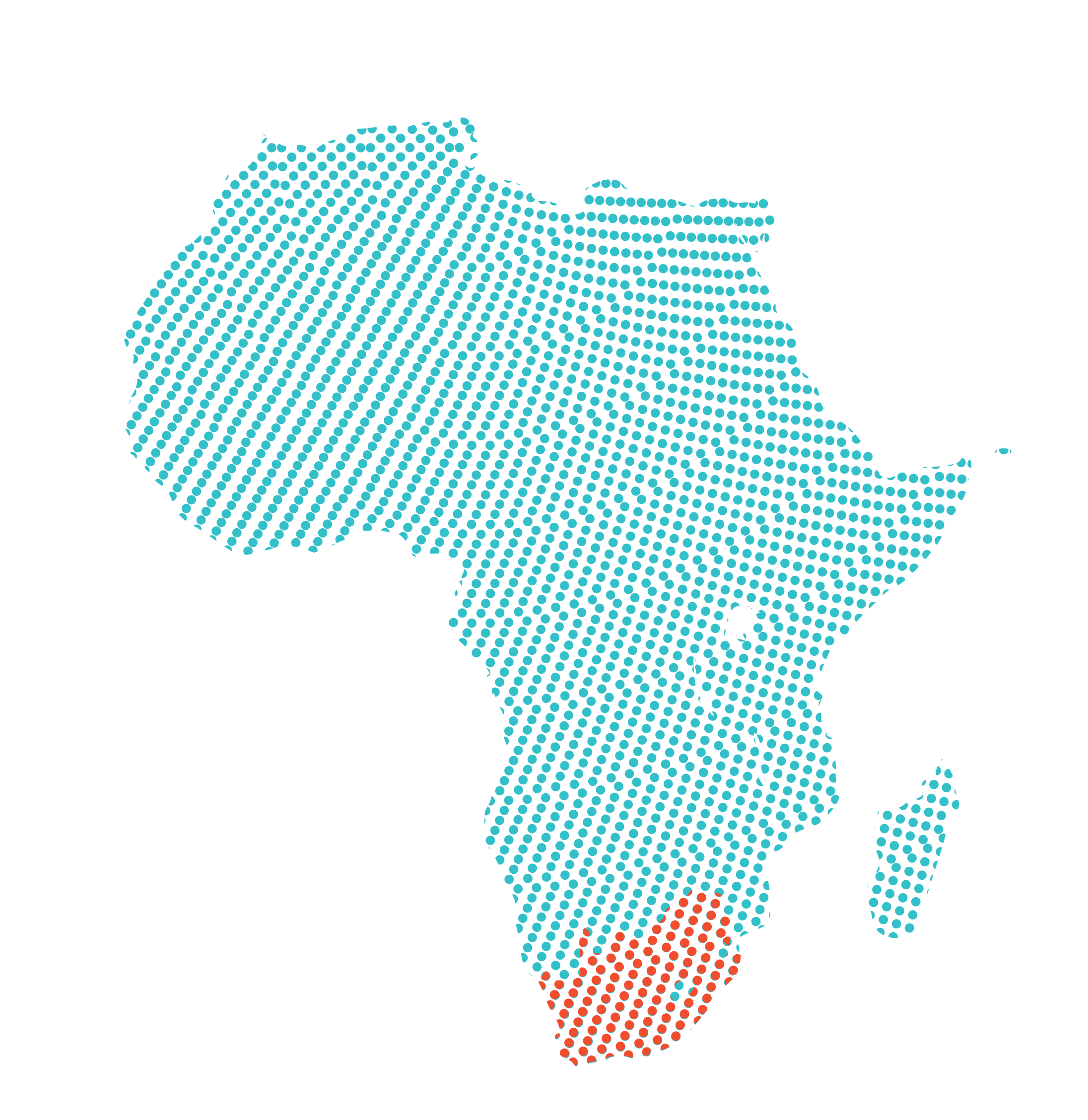
South Africa
South Africa's JETP, announced at COP26 in 2021, was the first of the current generation of country platforms and remains among the most extensively documented. Structured around an International Partners Group of bilateral donors (comprising France, Germany, the European Union, the United Kingdom and Canada), the platform was designed to accelerate South Africa's transition away from coal while addressing its significant economic and social implications for affected communities and workers.
South Africa's JETP, announced at COP26 in 2021, was the first of the current generation of country platforms and remains among the most extensively documented. Structured around an International Partners Group of bilateral donors (comprising France, Germany, the European Union, the United Kingdom and Canada), the platform was designed to accelerate South Africa's transition away from coal while addressing its significant economic and social implications for affected communities and workers.
Resources
This JETP offers a comprehensive array of primary source material due to its breadth of implementation experience, with its documents spanning the initial political declaration through its investment plan, implementation plan, and quarterly monitoring reports.